Packing Smart for Your First Mountain Trekking Adventure
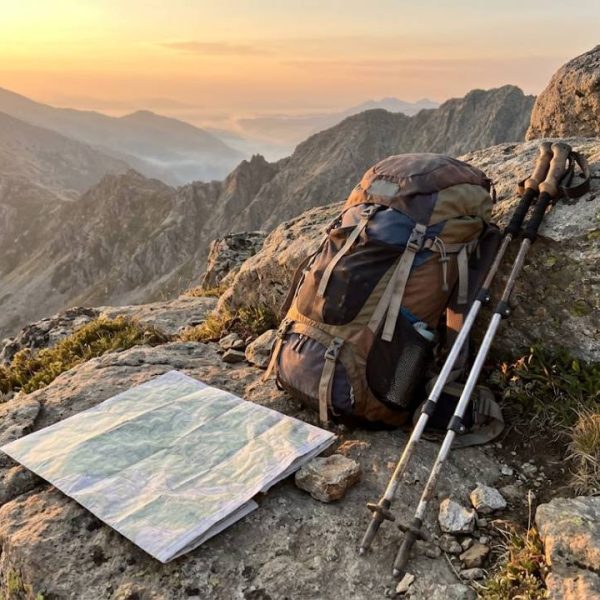
Your first mountain trek is exciting, but a poor packing list can turn a great day into a long one. The right gear, a clear plan and a little local knowledge make the difference between struggling and enjoying every step. Here is a practical guide to help beginners prepare with confidence.
Start With the Right Backpack
A good pack carries the load on your hips, not your shoulders. Try it on in a shop with real weight inside, and adjust every strap. For a weekend trek, a bag between thirty and forty liters is usually enough. Anything bigger invites you to bring things you never use.
Choose Boots That Fit Your Feet
Blisters ruin more trips than bad weather. Buy boots in the afternoon when your feet are slightly swollen, wear them for several short walks before departure, and pack spare socks. Wool blends dry faster and cushion better than cotton, which holds moisture against the skin.
Layer Your Clothing
Mountain weather changes within minutes. Use a thin base layer that wicks sweat, a warm mid layer such as fleece, and a waterproof shell on top. Add a hat and light gloves even in summer. Layers let you adjust without stopping for long.
Plan Water and Food Carefully
Carry more water than you think you need and know where refill points sit along the route. Pack dense snacks such as nuts, dried fruit and energy bars. Eat small amounts often instead of waiting until you feel weak, because hunger on a climb arrives quickly.
Study the Route Before You Leave
Read recent trail reports, check elevation gain and note the points where you can turn back. Official park pages such as the National Park Service share safety tips and closures that save you from unpleasant surprises on the day.
Carry a Paper Map and Compass
Phones lose signal and batteries drain in the cold. A paper map and a basic compass weigh almost nothing and never run out of power. Practice taking a bearing at home so the skill feels natural when fog rolls in and the path disappears.
Prepare for a Different Language
Mountain regions often rely on local tongues that visitors rarely speak. If your route crosses Poland or nearby borders, a guidebook or contact sheet prepared through english to polish translation can help you read hut rules, weather notices and emergency numbers without guesswork.
Learn Local Customs Early
Greetings, hut etiquette and trail manners differ from one valley to the next. Reading about cultural customs around the world before a trip helps you avoid awkward moments, show respect to hosts and make friends along the way. A simple hello in the local language opens many doors.
Pack a Compact First Aid Kit
Include plasters, blister pads, bandages, pain relief, antiseptic wipes and a foil blanket. Add any personal medicines in a labeled bag. Take a short first aid course if you can, because knowing what to do matters more than the items in the pouch.
Tell Someone Your Plan
Leave your route, start time and expected return with a friend or family member. Agree on when they should call for help if you have not checked in. This habit is simple, free and has helped rescuers find lost hikers far faster.
Respect the Weather Window
Start early so you finish before afternoon storms build. Watch the sky as well as the forecast, and turn back if clouds darken or wind picks up. No summit photo is worth a dangerous descent. The mountain will still be there next season.
Packing well for a first trek, as the article explains, is about anticipating what you will actually need rather than what looks thorough in a shop. Small hotels serving those travellers face a parallel problem on their websites, listing amenities nobody asked about while omitting the details that decide the booking. Good boutique hotel marketing starts by working out which three facts the guest is really looking for, and putting them above the fold.
Use Trekking Poles Wisely
Poles reduce strain on knees during long descents and add balance on loose ground. Adjust them shorter for climbing and longer for going down. Strap loops should sit comfortably around the wrist so you can release them quickly if you slip.
Protect Your Skin and Eyes
Altitude brings stronger sun, even on cool days. Wear sunscreen, a brimmed hat and good sunglasses, and reapply during long breaks. Lip balm with protection is also helpful. Snow and rock reflect light and can cause painful burns in a short time.
Leave No Trace
Carry out everything you carry in, including fruit peels and tissues. Stay on marked paths to protect fragile plants, keep a safe distance from wildlife, and use designated campsites. Small choices by many visitors decide whether a trail stays beautiful for the next group.
Break In Your Gear Early
Never test new equipment on the first morning of a big trip. Set up the tent in the garden, cook a meal on the stove and carry your loaded pack on a local hill. Problems found at home are easy to fix.
Families often learn the same lesson on a first overnight trip, where a tent, a stove, and a short walk matter more than a long summit day. A practical guide to camping with kids shows how to choose a style that suits children's ages, book family-friendly sites early, and keep activities short and flexible. Those habits make a first trek feel less like a test of endurance and more like a trip children want to repeat.
Pace Yourself on the Trail
Walk at a speed where you could still hold a conversation. Short, regular rests beat long, rare ones. Beginners often start too fast and fade by midday, so keep a steady rhythm and enjoy the views as they appear.
Stay Flexible and Curious
Plans change, and the best moments often come from detours. A friendly local may suggest a quiet viewpoint or a better path. Keep a relaxed mind, stay safe, and treat each surprise as part of the experience.
Final Thoughts
A good trek rewards preparation. Pack light, plan the route, respect the weather and the people you meet, and you will return with great memories and a stronger wish to explore more peaks.