How Do Adventure Operators Handle Emergencies Abroad
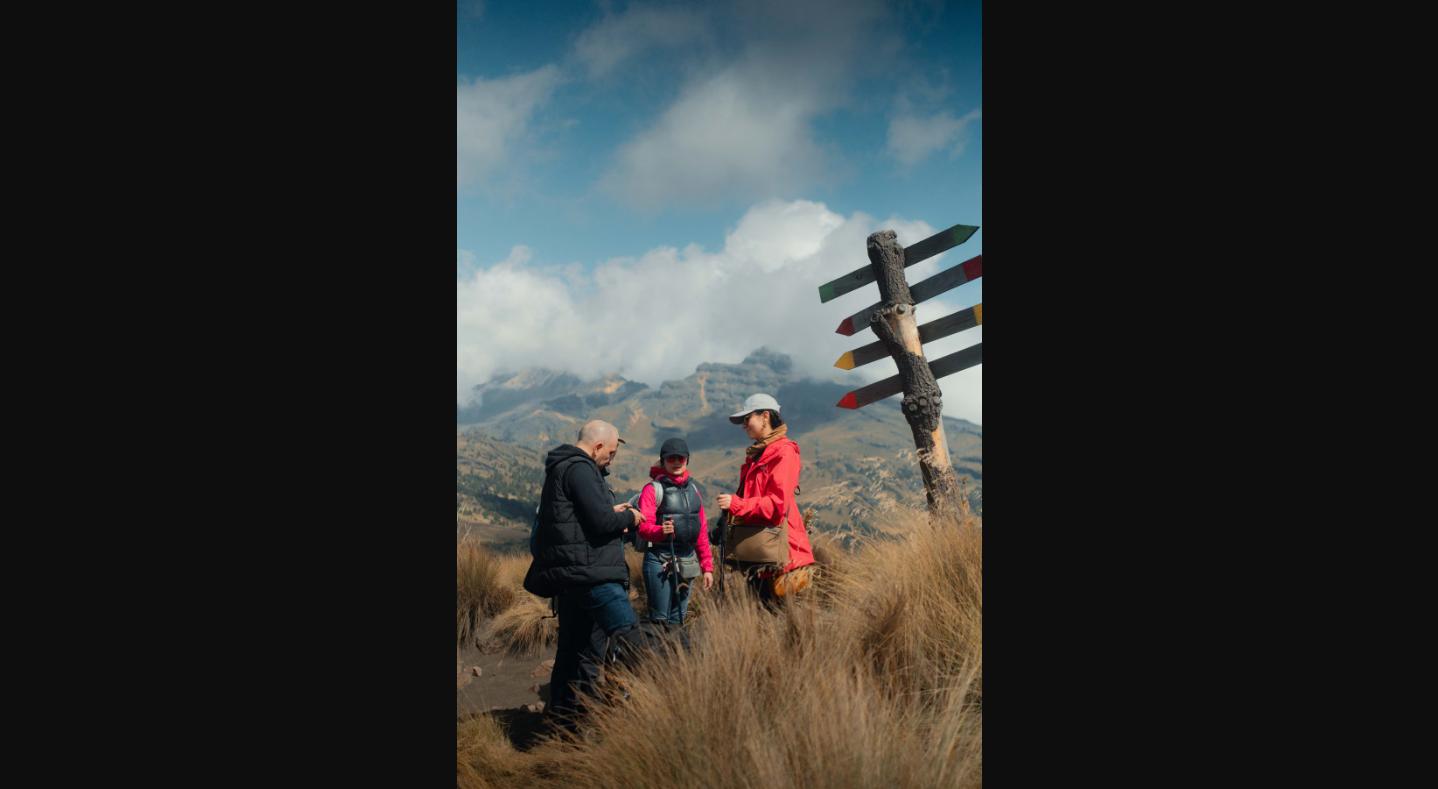
A trekking guide in Nepal calls his tour operator partner in Denver at three in the morning local time. A client on next week's climb just had a medical emergency question and the paperwork needs answers fast.
The operator pulls up the permit documents and the insurance forms and realizes half of what the guide is asking about only exists in translated form as a rough summary someone wrote years ago.
That gap sits quietly until the exact night when a real emergency makes it impossible to ignore any longer.
Nobody plans for that call to come at three in the morning but it always seems to land at the worst possible hour.
Nobody on the office side wants to be the person who left a trusted guide guessing during a genuine medical situation halfway around the world.
Why Adventure Operators Depend On Fast Phone Support
Adventure travel companies deal with emergencies that regular tour operators rarely see. A twisted ankle on a glacier or a visa question at a remote border post cannot wait for a normal business day.
Operators who keep a reliable over the phone interpretation company on call give their local guides a way to get accurate answers in the middle of the night without guessing at translated instructions.
A guide who cannot communicate clearly with headquarters during a real emergency ends up making decisions alone that really should involve someone back at the home office.
Time zones make everything worse. A problem that happens at a reasonable hour in Kathmandu often lands in the middle of the night for the operator answering from Colorado or London.
Companies that test their phone interpretation setup before the busy season starts catch gaps in coverage long before a real emergency exposes them in front of a nervous client.
The Paperwork Problem Behind Every Adventure Trip
Long before anyone reaches a trailhead a mountain of permits waivers and insurance documents has to move between the operator and dozens of local partners in different countries.
A single permit written unclearly in translation can delay an entire group at a checkpoint while rangers try to figure out whether the paperwork actually matches the group standing in front of them.
Operators who commission real language translation services for their permit packets and waivers avoid the kind of border delay that turns a tight itinerary into a missed flight home.
A waiver translated loosely can also create real liability problems if a client later claims they never understood what they signed before a risky activity.
Specialized outdoor terminology rarely survives a generic translation tool. A word for a specific climbing hold or a regional permit category needs someone who actually understands the activity.
Operators who keep the same translation partner across multiple seasons build a glossary that keeps every new permit consistent with the last one rangers already recognize.
What Happens When Companies Skip This Step
Skipping proper translation on permits or emergency communication almost always looks like a reasonable shortcut during the busy planning season before departures pile up.
The real cost shows up on the trail when a guide cannot explain a medical situation clearly or a ranger rejects a permit that was never quite translated the way local officials expect.
According to the OECD cross border tourism increasingly depends on clear documentation and communication to avoid disputes and delays that can otherwise ruin a carefully planned itinerary.
A single rejected permit can trigger a wider review of every other document a company has filed with that same local authority that season.
Operators who have lived through one of these permit disputes rarely skip translation review again because the memory of that particular scramble tends to stick around for years.
How Serious Operators Choose Their Language Partners
Adventure companies that handle this well treat translation the same way they treat gear inspection or guide certification. It becomes a standing requirement rather than a task assigned at the last minute.
Many now ask a prospective translation partner to handle a trial permit packet for one route before committing to a full season of paperwork across every destination.
Specialists who already understand outdoor terminology tend to outperform generalists even when the generalist quotes a lower price for the same word count.
A American Translators Association survey of specialized translation work found that subject expertise consistently predicts fewer errors regardless of how experienced the translator is in general.
Companies that build a long relationship with one trusted partner see fewer terminology mismatches from one season to the next because the same glossary carries forward automatically.
Legal teams inside larger adventure companies now ask their translation vendors for a short written record whenever a waiver or permit gets questioned after the fact.
Smaller regional operators without a full time language department often lean on the same freelance network season after season simply because switching feels riskier than sticking with a known quantity.
Building A Process That Holds Up On The Trail
The smartest operators start translation planning while the permit applications are still being drafted rather than waiting for a final version that leaves almost no time for careful review.
That earlier start also gives the interpretation team time to learn each route's specific vocabulary before a real emergency call ever comes in from the field.
A shared glossary between the operator and its language partner prevents small inconsistencies that a sharp eyed local ranger notices immediately when comparing one permit to the next.
Teams that treat every season as a fresh start without reusing prior glossaries end up repeating the same terminology debates every single year for no real reason.
The Denver operator who took that three in the morning call had already solved this problem months earlier by building exactly this kind of standing partnership with a specialist team.
When the guide finally reached someone who understood both the medical situation and the local paperwork the whole emergency resolved within the hour instead of dragging on until morning.