Why Alpine Trail Signs Need Clear Multilingual Warnings
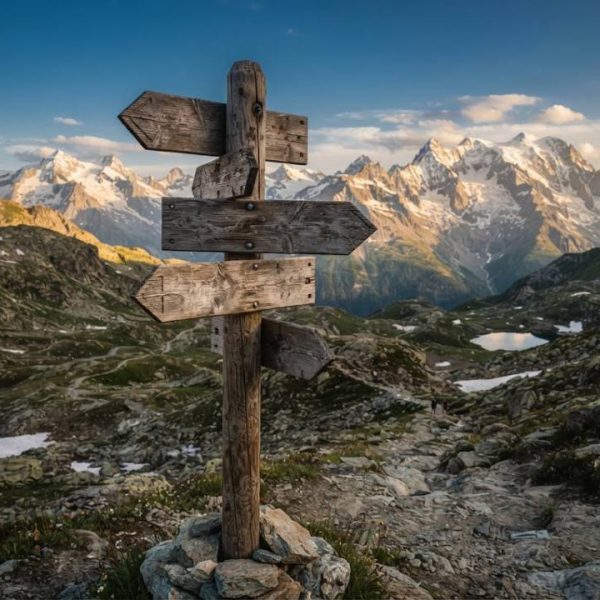
A hiker misreads a trailhead sign, takes the wrong fork, and ends up on a route rated far above their experience level as weather closes in. Rescue teams across the Alps see some version of this scenario every season, and language is a factor more often than most travelers realize. A warning that makes perfect sense in one language can be misread, ignored, or simply missed entirely by someone reading it in their second or third language under pressure.
The Alps Are Busier and More International Than Ever
Alpine tourism has grown well beyond the traditional base of local and regional hikers. Trail networks across Austria, Switzerland, and northern Italy now see visitors from across Europe and beyond, many of whom read trail information in English or their native language rather than the local one. A sign that only exists in German, French, or Italian, without a companion translation, quietly excludes a growing share of the people actually walking that trail.
Groups like the International Climbing and Mountaineering Federation have raised safety communication as a recurring theme in their guidance to national alpine clubs, precisely because a warning that is not understood is functionally the same as no warning at all.
Where Translation Quality Actually Matters on a Trail
Not every piece of trail signage carries equal weight. A directional arrow needs little language support. A warning about sudden weather changes, exposed scrambling sections, or seasonal closures due to rockfall needs to be exact, because a softened or approximate translation can understate real danger. Tourism boards and park authorities that invest in professional german translation services for their safety materials are protecting visitors, not just checking a box for international accessibility.
This matters just as much in the other direction. Route descriptions, permit requirements, and mountain hut booking systems originally written in German need accurate german to english translation so visitors planning a multi-day route understand exactly what a hut reservation includes, what gear is mandatory, and what the actual difficulty rating means in practice rather than in a rough approximation.
What Well-Prepared Trail Networks Do Differently
Some regions handle this well. Popular routes through well-funded national parks often post safety information in three or four languages, updated each season as conditions change. Smaller or less-funded trail networks frequently cannot keep pace, leaving critical seasonal updates, an unstable bridge, a diverted route around storm damage, available only in the local language until someone gets around to updating the rest.
Mountain rescue organizations consistently point to the same pattern: incidents involving international visitors often trace back to a misunderstanding rather than pure inexperience. A visitor who correctly understood a warning about afternoon thunderstorm risk in an alpine environment might have started three hours earlier, or turned back at the right point instead of pushing on toward a summit as clouds built overhead.
Alpine trail signs need clear multilingual warnings because the reader is tired, in a hurry, and may have no second chance to interpret an ambiguous instruction. Industrial documentation asks the same thing of its readers under comparable pressure. That is why technical manual translation is judged on whether an operator acts correctly the first time, not on whether the sentences read elegantly on the page.
What Travelers Can Do in the Meantime
Hikers heading into unfamiliar alpine terrain should not assume trailhead signage covers everything they need. Downloading official park or trail authority information in advance, cross-checking route descriptions against a rescue service's own guidance, and asking hut wardens directly about any posted warning that seems unclear are simple habits that cost nothing and can matter enormously if conditions change quickly.
Trail authorities, for their part, are increasingly recognizing that safety signage is not the place to save money on translation quality. A clear, accurate multilingual warning is one of the cheapest safety investments a trail network can make, and it is one that pays for itself the first time it changes someone's decision on a ridge line with weather rolling in.
How National Parks Are Closing the Gap
Some of the most visited alpine parks have started treating multilingual signage as core infrastructure rather than an afterthought. The Swiss National Park publishes trail condition updates and safety notices in multiple languages during peak season, updating them as quickly as weather and trail conditions change. That kind of responsiveness requires a standing relationship with translators who understand outdoor terminology, not a one-time translation project done years ago and never revisited.
The lesson generalizes well beyond the Alps. Any trail network that draws a meaningfully international visitor base, whether in North America, New Zealand, or the Himalayas, faces the same basic problem: safety information only works if the person reading it actually understands it. Treating translation as an ongoing operational need, tied to the same update cycle as trail conditions themselves, is what separates parks with strong safety records from those that rely on visitors correctly guessing what a sign means.
For smaller trail associations without a national park's budget, even a partnership with a local university language program or a volunteer network of bilingual hikers can close much of this gap. The goal is not perfection. It is making sure the warning that matters most is the one every visitor, regardless of native language, actually reads and understands before they commit to a route.